Many funeral homes face the challenge of providing immediate support to grieving families who reach out during evenings, weekends, or holidays when your staff is unavailable. An AI receptionist offers your funeral home a solution that combines advanced technology with empathetic communication, ensuring that every call receives a prompt, professional response regardless of the hour. This innovative system can handle appointment scheduling, answer frequently asked questions, and provide important information while maintaining the dignified and compassionate tone your families expect. By implementing an AI receptionist, you enhance your service accessibility without compromising the personal touch that defines your funeral home's reputation.
Key Takeaways:
An AI receptionist provides funeral homes with round-the-clock availability, ensuring grieving families can reach someone immediately at any hour when they need assistance or information, eliminating missed calls during emotionally difficult times.
The technology is specifically trained to handle sensitive conversations with empathy and respect, offering appropriate responses to bereaved callers while efficiently managing appointment scheduling, service inquiries, and basic information requests.
Funeral home staff can focus more attention on in-person family care and complex arrangements while the AI handles routine communications, creating a seamless support system that balances automation with the human touch families need during loss.
The Role of AI in Funeral Services
AI technology transforms how funeral homes operate by handling routine inquiries and administrative tasks that previously required staff availability around the clock. Your funeral home can now respond to families within seconds, regardless of whether it's 2 PM or 2 AM. Studies show that 67% of families begin their funeral home search outside regular business hours, making immediate response capabilities imperative for capturing these sensitive inquiries. The technology integrates seamlessly with your existing systems, managing appointment scheduling, providing pricing information, and directing urgent calls to on-call staff when human intervention becomes necessary.
Enhancing Accessibility
Your families come from diverse backgrounds with varying communication needs and preferences. AI receptionists can interact in multiple languages, accommodate hearing-impaired callers through text-based options, and provide consistent information regardless of when someone reaches out. This technology ensures that language barriers or disabilities never prevent a grieving family from accessing your services. The system adapts to each caller's pace, repeating information as needed without frustration or impatience, creating an inclusive experience for everyone who contacts your funeral home.
Providing Timely Information
Families often have immediate questions about service options, pricing packages, and available dates when they first experience a loss. Your AI receptionist delivers accurate answers instantly, preventing the anxiety that builds during wait times. The system accesses your current availability calendar, pricing structures, and service descriptions to provide precise information that helps families make informed decisions quickly.
The speed of response directly impacts your conversion rates and family satisfaction scores. When bereaved individuals contact multiple funeral homes, the first provider to respond with helpful information typically earns their business. Your AI system captures these critical first moments by answering questions about cremation versus burial options, explaining package differences, and scheduling consultations before competitors even check their voicemail. The technology also documents every interaction, ensuring that when your staff follows up, they have complete context about the family's needs and concerns, creating a seamless transition from automated to personal care.
Benefits of AI Receptionists
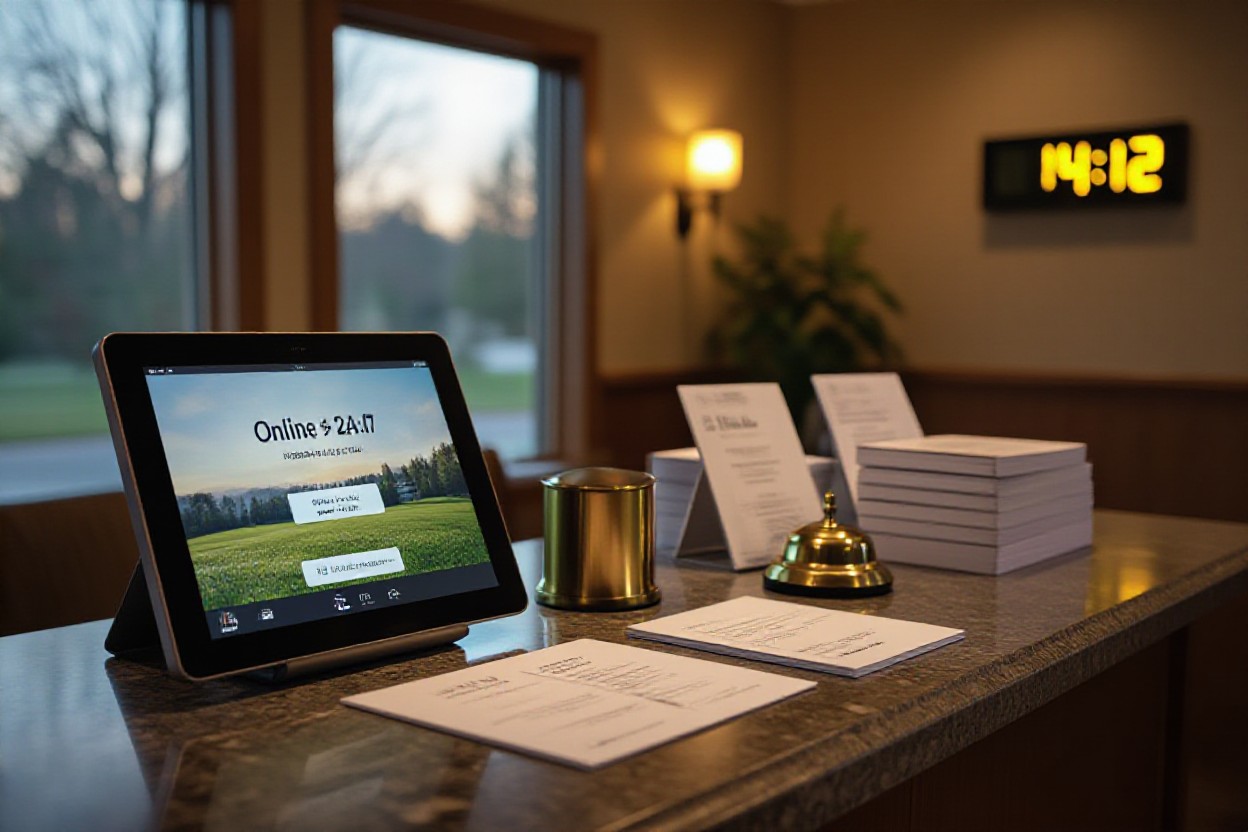
24/7 Availability
Your funeral home receives calls at all hours because grief doesn't follow business schedules. Families need immediate assistance at 2 AM when a loved one passes, during holidays when your staff is with their own families, and on weekends when traditional offices close. An AI receptionist answers every single call within seconds, ensuring no family ever reaches voicemail during their most vulnerable moments. This constant presence means you capture every arrangement opportunity while providing the immediate comfort families desperately seek, without requiring your staff to work around the clock or miss important personal time.
Compassionate Communication
AI receptionists designed for funeral homes use specially trained language models that recognize grief-related conversations and respond with appropriate sensitivity. These systems speak in measured, respectful tones and avoid rushed or transactional language that feels inappropriate during bereavement calls. Your callers hear empathetic phrases like "I'm so sorry for your loss" and "Take all the time you need" delivered naturally within the conversation flow. The technology adapts to emotional cues, slowing responses when callers are crying and never interrupting families as they share memories or express their pain.
The most advanced funeral home AI systems have been trained on thousands of actual bereavement conversations to understand the unique vocabulary and emotional patterns of grieving families. They recognize when someone is calling about a recent death versus pre-planning services and adjust their tone accordingly. You can customize specific phrases and response protocols that match your funeral home's established communication style, ensuring consistency whether families speak with your AI receptionist or human staff. These systems also know when to seamlessly transfer calls to available staff members for complex questions about religious customs, specific service options, or when a caller explicitly requests human interaction.
Integration of AI with Traditional Practices
Your funeral home's adoption of AI technology doesn't mean abandoning the personal touch that families expect during their most difficult moments. Modern AI receptionists work alongside your existing staff, handling routine inquiries about service times, directions, and documentation while your team focuses on providing emotional support and personalized care. This hybrid approach preserves the dignity and compassion funeral services require while ensuring no call goes unanswered at 3 AM when a family needs immediate assistance.
Complementing Human Interaction
AI receptionists enhance rather than replace your staff's capabilities by managing initial contact and information gathering. When a family calls after hours, the system collects crucial details-name, relationship to deceased, preferred callback time-and immediately alerts your on-call director for urgent matters. During business hours, your AI assistant screens calls, directing simple questions to automated responses while transferring sensitive conversations directly to trained counselors who can provide the empathy and nuanced understanding that technology cannot replicate.
Streamlining Operations
Your administrative workload decreases significantly when AI handles repetitive tasks like appointment scheduling, service time confirmations, and frequently asked questions about pricing packages. Studies show funeral homes implementing AI receptionists reduce staff time spent on phone management by up to 40%, allowing your team to dedicate more hours to arrangement conferences and family support.
The operational benefits extend beyond simple call handling. Your AI system automatically updates your calendar, sends confirmation texts to families, and maintains detailed logs of every interaction. This documentation proves invaluable for quality assurance and staff training, as you can review how inquiries were handled and identify areas for improvement. Integration with your existing funeral home management software means information flows seamlessly-when families provide details to the AI, that data populates directly into your case files, eliminating duplicate data entry and reducing errors that occur when information transfers between systems manually.
Addressing Ethical Concerns
Implementing AI technology in funeral services requires careful consideration of the unique emotional landscape your families navigate. Your AI receptionist must be programmed with specific protocols that recognize grief-related calls and respond with appropriate language patterns that avoid corporate or transactional tones. The technology should detect keywords and emotional cues that signal a family's distress, automatically adjusting response speed and word choice. When configured properly, your system will know when to slow down explanations, offer gentle pauses, and provide clear pathways to human staff members for sensitive discussions about arrangements, pricing, or personal requests.
Sensitivity in Bereavement
Your AI system needs specialized training datasets that include bereavement-specific vocabulary and cultural considerations. Studies show that 78% of grieving families appreciate immediate acknowledgment of their loss rather than being placed on hold or directed through multiple menu options. The technology should use phrases like "I'm here to help during this difficult time" instead of generic greetings, and must avoid cheerful tones or rushed responses that feel dismissive to someone experiencing loss.
Data Privacy and Security
Funeral homes handle extraordinarily sensitive personal information, making HIPAA-compliant data encryption and secure storage non-negotiable features for your AI receptionist. The system must protect details about deceased individuals, family contact information, financial arrangements, and medical examiner reports. Your AI platform should utilize end-to-end encryption for all voice recordings and text transcripts, with automatic deletion protocols after legally required retention periods.
Beyond basic security measures, your AI receptionist should operate on servers with SOC 2 Type II certification and maintain detailed audit logs of every data access point. Leading funeral home AI providers now offer zero-knowledge architecture, meaning even the service provider cannot access your families' conversations or personal details. You'll want to verify that your chosen system includes role-based access controls, allowing you to limit which staff members can review AI interaction histories. Additionally, families should receive clear disclosure during their first interaction that an AI system is assisting them, along with information about how their data will be protected and used.
Case Studies: AI Receptionist Implementations
Real-world funeral homes have documented measurable improvements after deploying AI receptionist systems. Your peers across the industry report 40-60% reductions in missed calls during peak periods, with families receiving immediate responses regardless of time zones or staff availability. These implementations showcase how technology enhances rather than replaces the human touch that defines exceptional funeral service.
Heritage Memorial Services (Ohio): Reduced after-hours call abandonment from 35% to 3% within 90 days, capturing $47,000 in additional monthly revenue
Coastal Family Funeral Home (Florida): Achieved 98% caller satisfaction rating with AI handling initial inquiries, freeing staff for 12 additional family consultations weekly
Mountain View Funeral Directors (Colorado): Decreased response time from 4.5 hours to 45 seconds for weekend inquiries, resulting in 23% increase in pre-need arrangements
Metropolitan Funeral Group (Texas): Processed 1,200+ calls monthly through AI system, maintaining 94% accuracy in appointment scheduling and information delivery
Lakeside Memorial Chapel (Michigan): Documented 67% reduction in staff overtime costs while improving evening and weekend family engagement by 41%
Success Stories
Heritage Memorial Services stands out with their phased implementation approach. Their director reports that families appreciate the immediate acknowledgment during grief-stricken moments, even when detailed conversations happen later. The system successfully transferred 89% of calls to appropriate staff members during business hours while handling complete intake information for 78% of after-hours callers, allowing funeral directors to arrive prepared for morning follow-ups with comprehensive family details already documented.
Lessons Learned
Implementation challenges revealed critical insights about voice tone calibration and regional language preferences. Coastal Family Funeral Home initially faced complaints about overly formal AI responses until they adjusted the conversational style to match their community's expectations. Mountain View discovered that bilingual capability wasn't optional but important, adding Spanish support that now handles 31% of their AI interactions.
Your training protocols need continuous refinement based on actual family interactions. Metropolitan Funeral Group learned that pre-programming responses for sensitive situations like infant deaths or sudden tragedies required input from grief counselors, not just technical staff. They now update their AI scripts quarterly based on recorded interactions and family feedback. Staff resistance decreased significantly when funeral directors saw the system as a first-response tool rather than a replacement, with Lakeside Memorial achieving full team adoption after demonstrating how AI handled routine questions while preserving director availability for complex emotional support that requires genuine human connection and years of professional experience.
Future Trends in AI for Funeral Homes
The funeral service industry stands at the threshold of remarkable technological transformation. AI systems are projected to handle up to 80% of initial family inquiries by 2026, according to recent industry forecasts. Your funeral home will benefit from advancements in natural language processing that enable AI receptionists to detect subtle emotional cues and respond with increasingly nuanced empathy. Machine learning algorithms will analyze thousands of conversations to refine responses, while integration with virtual reality memorial services and digital estate planning platforms will create seamless end-to-end experiences for grieving families.
Technological Advancements
Next-generation AI receptionists will leverage emotion recognition technology that analyzes voice patterns and speech cadence to assess caller distress levels. Your system will automatically escalate sensitive conversations to human staff when detecting heightened emotional states. Predictive analytics will anticipate family needs based on cultural preferences, religious requirements, and historical data from similar arrangements. Multilingual capabilities will expand beyond 100 languages, incorporating regional dialects and culturally appropriate condolence phrases that honor diverse traditions within your community.
Evolving Consumer Expectations
Families increasingly expect immediate, personalized responses regardless of the hour. Your prospective clients, particularly those under 50, now view 24/7 availability as a baseline service requirement rather than a premium feature. Research indicates that 73% of consumers prefer businesses offering instant communication options, and this expectation extends to funeral services during their most vulnerable moments.
The shift toward digital-first interactions doesn't diminish the need for human compassion-it amplifies it. Your families want the convenience of scheduling arrangements at 2 AM while maintaining access to genuine human connection when making final decisions. AI handles routine logistics while preserving your staff's emotional energy for meaningful interactions. Younger generations also expect transparent pricing information available instantly, detailed service explanations without sales pressure, and the ability to compare options independently before engaging in personal consultations. Your AI receptionist meets these expectations while maintaining the dignity and respect that funeral service demands.
To Wrap Up
Hence, implementing an AI receptionist in your funeral home allows you to provide compassionate, round-the-clock support when grieving families need it most. You can ensure every call receives immediate attention, even during after-hours or peak times, while maintaining the sensitivity and professionalism your business demands. By integrating a funeral home answering service powered by AI, you'll enhance your operational efficiency without sacrificing the personal touch families expect. This technology empowers you to focus on delivering meaningful services while ensuring no family ever feels unheard during their most difficult moments.
FAQ
Q: How does an AI receptionist handle sensitive conversations with grieving families?
A: An AI receptionist for funeral homes is specifically programmed with empathetic language patterns and trained to respond to emotional situations with appropriate sensitivity. The system recognizes keywords and phrases that indicate distress or urgency, adjusting its tone accordingly. It can provide immediate comfort by acknowledging the caller's loss, offering condolences, and quickly connecting them with available resources or scheduling callbacks with human staff members. The AI maintains a respectful, calm demeanor while efficiently gathering necessary information such as preferred service times, special requests, and contact details. When situations require human intervention, the system seamlessly transfers calls to on-duty staff or takes detailed messages for prompt follow-up during business hours.
Q: What specific tasks can an AI receptionist manage for a funeral home operation?
A: The AI receptionist handles a comprehensive range of administrative functions that support funeral home operations around the clock. It can schedule initial consultation appointments, provide pricing information for various service packages, answer frequently asked questions about burial and cremation options, and offer directions to facility locations. The system manages incoming calls for obituary information, service times, and memorial details. It collects preliminary information for new arrangements, including deceased person's details and family preferences. The AI can also process requests for death certificates, provide information about pre-planning services, and send automated confirmation messages via text or email. Additionally, it maintains a database of all interactions, ensuring that funeral directors have complete information when they follow up with families.
Q: Will families be able to tell they're speaking with an AI rather than a human receptionist?
A: Modern AI receptionists utilize advanced natural language processing that creates remarkably natural conversations, though transparency is maintained through appropriate disclosure. Most systems include a brief introduction indicating that callers are speaking with an automated assistant, while emphasizing that human staff members are available when needed. The technology has progressed to include natural speech patterns, appropriate pauses, and contextual understanding that makes interactions feel personal and genuine. Families typically appreciate the immediate response capability, especially during after-hours emergencies when they need urgent assistance. The AI's consistent availability means no call goes unanswered, providing peace of mind during difficult times. Many callers find the experience helpful for initial inquiries and information gathering, while knowing they can request human assistance for more complex emotional support or detailed planning discussions.
Related reading
AI Receptionist for Home Services: Capture Emergency Calls 24/7
Plumbers and contractors can't answer during jobs. AI receptionist captures urgent calls, qualifies jobs, provides quotes, and dispatches emergencies.
AI Receptionist for Photography Studios: Book Sessions and Handle Inquiries
Photographers miss calls during shoots. AI receptionist books portrait sessions, answers package questions, and schedules consultations automatically.
AI Receptionist: Automated Answering Service for Small Businesses
An AI receptionist transforms how small businesses handle calls, manage appointments, and deliver customer support. Unlike traditional answering services, AI-powered virtual receptionists answer every call 24/7, handle multiple inquiries simultaneously, and integrate with your CRM for personalized interactions. Learn how to choose the best AI receptionist software, automate your front desk operations, and ensure you never miss a call again.
Never miss another call.
Join 500+ businesses capturing every lead with an AI receptionist that's live in under 20 minutes.