With an AI receptionist in your agency, you can automate quotes and policy questions to accelerate service, free staff for complex claims, and deliver 24/7 availability; you must also mitigate data security risks with strict controls. Integrate solutions like Sonant - The AI Receptionist For Insurance to streamline workflows, reduce wait times, and let you focus on high-value client relationships.
Key Takeaways:
Automates quote generation and answers common policy questions instantly, reducing response time and ensuring consistent information.
Frees staff from routine inquiries and captures more leads with 24/7 availability, guided conversational flows, and CRM integration.
Supports compliance and accuracy through templates, validation rules, and audit logs, with seamless handoff to human agents for complex cases.
Understanding AI Receptionists
AI receptionists combine natural language understanding, rule-based workflows, and CRM/AMS integrations so you can automate intake, deliver instant quotes, and answer policy questions around the clock; pairing them with services like Insurance Answering Service with 24/7 Virtual Receptionists gives you seamless human backup for complex cases and peak-hour overflow.
Definition and Functionality
An AI receptionist is a software agent that captures caller intent, extracts applicant data, and follows underwriting templates to produce quotes in seconds; it routes complex issues to humans, logs interactions in your CRM, schedules follow-ups, and can screen leads at scale-often processing hundreds to thousands of routine inquiries per month without extra staff.
Benefits for Insurance Agencies
You gain 24/7 availability, faster lead capture, and consistent policy answers, which reduces manual errors and shortens quote turnaround from hours to minutes; this improves customer experience, increases conversion potential, and lets your team focus on high-value sales and retention tasks.
For example, a mid-size agency handling ~3,000 monthly inquiries cut average first-response time from four hours to under 60 seconds after deployment, freeing agents to close more complex business; ensure you also enforce strong data controls and compliance checks so your automation scales without exposing PII or regulatory risk.
Automating Quotes
By routing intake through an AI receptionist, you can compress quote cycles from hours or days to minutes, with agencies reporting up to 80% faster turnaround and significant drops in manual mistakes. Integrate your AMS and carrier APIs so the system validates VINs, prior-claims history and discounts in real time, auto-applies rules, and surfaces exceptions to underwriters; this lets you scale volume without hiring proportionally more staff while maintaining higher quote accuracy.
Streamlining Quote Generation
When you use structured prompts and prefill from CRM data, the AI generates multi-carrier quotes instantly, cutting manual input by an estimated 60%. Implement a rules engine to apply bundling and underwriting checks, call carrier rate engines via API for live premiums, and queue complex cases for human review - that hybrid approach preserves speed while keeping edge-case risk visible.
Enhancing Customer Experience
With 24/7 AI-assisted quoting, you give prospects instant, personalized options and side-by-side comparisons, which agencies have seen translate into up to 25% higher conversion on leads handled immediately. Use conversational prompts to clarify coverages, offer tailored discounts, and deliver the first draft of a policy summary within 60 seconds to keep shoppers engaged.
Dig deeper by combining NLU-driven follow-ups, multilingual support, and secure document upload so you can convert cold leads into binds automatically; for example, dynamic cross-sell offers based on prior-policy data lift average premium per customer. Track metrics such as quote-to-bind rate, NPS, and average response time to iterate on message flows and pricing rules, and run A/B tests on prompts to optimize conversions without increasing staff headcount.
Handling Policy Questions
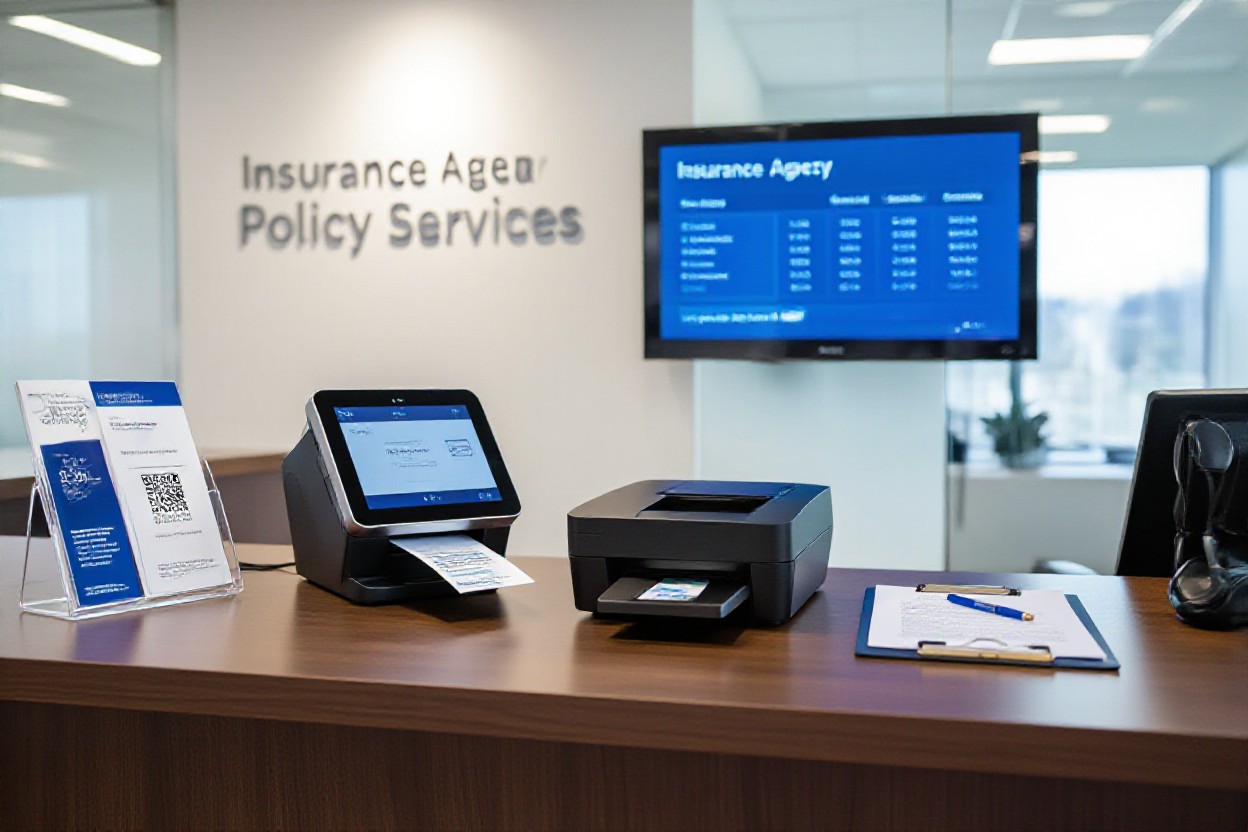
When policyholders ask about limits, endorsements, or claim timelines, your AI receptionist pulls from live policy data to deliver standardized answers and flag exceptions. It can resolve up to 60% of routine policy queries, cut agent follow-ups by 30%, and drive average response times to under 20 seconds. Maintain regular oversight and compliance checks to catch interpretation errors and prevent regulatory exposure.
FAQs and Common Inquiries
Common questions-ID cards, payment due dates, proof of insurance, and claim status-are ideal for automation: your AI uses templates and document retrieval to answer quickly, handling roughly 70-80% of these contacts. Configure a confidence threshold (e.g., 85%) to escalate uncertain queries to agents and log all answered FAQs for periodic audit and copy refinement.
Reducing Call Volumes
By deflecting routine policy Q&A to chat, SMS, or voicebot flows, your AI receptionist can lower live-call volume by 30-50% while offering 24/7 availability for basic support and instant documents like ID cards.
Implement intent detection to triage: route billing and ID requests to self-serve flows, escalate complex coverage or claims to specialists, and use IVR deflection into AI chat/SMS to maintain contact context. Track metrics-deflection rate, containment rate, and transfer rate-and aim for a containment rate >60% within 90 days. For example, a regional agency achieved a 40% reduction in live calls and reclaimed 20 agent hours weekly after tuning prompts and escalation rules.

Integration with Existing Systems
Plugging an AI receptionist into your tech stack depends on robust APIs, prebuilt connectors for platforms like Applied Epic, AMS360, Vertafore, and middleware that handles mapping and orchestration; when implemented correctly, agencies report up to a 80% drop in duplicate entry and quote turnaround cut by roughly 60% through real-time sync and event-driven workflows.
CRM and Management Tools
You should map intake fields to your CRM (Salesforce, HawkSoft, Applied) with field mapping, use webhooks for instant lead creation, and enable two-way sync so policy updates from your management system propagate back to the AI receptionist, eliminating manual reconciliation and reducing missed renewals.
Data Handling and Security
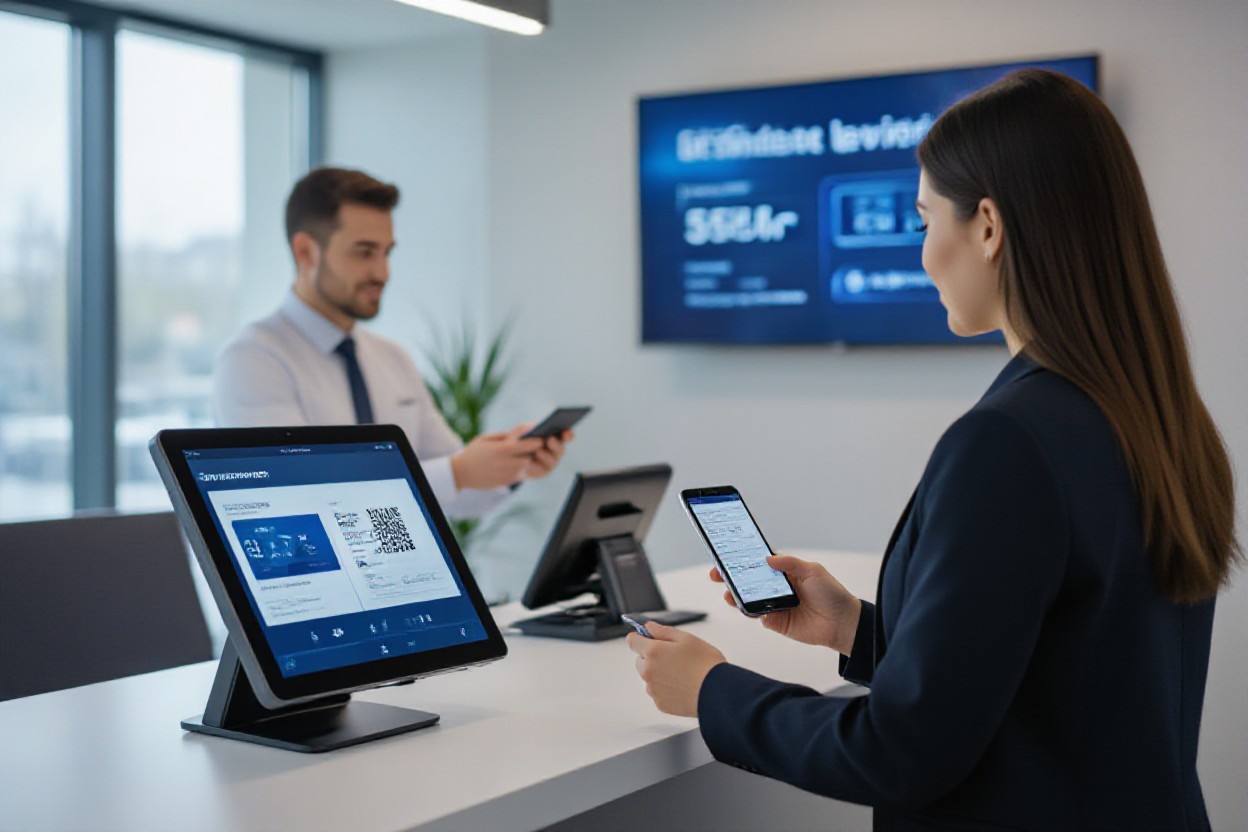
Your integration must protect PII with AES-256 at rest and TLS 1.2+ in transit, enforce role-based access, keep audit logs for every data exchange, and align with standards like SOC 2 or relevant state regulations to limit liability.
Operationally, enforce data residency and retention policies (for example, 7 years for claims data where required), tokenize identifiers before sending to third-party NLP services, and apply redaction rules to block sensitive fields from training data. Implement least-privilege API keys, rotate credentials automatically, and surface immutable audit logs and transaction IDs in both the AI layer and your CRM so you can trace any quote, change, or disclosure back to a timestamped event for compliance and dispute resolution.
Implementation Strategies
Start with a phased rollout: run an 6-8 week pilot on 10-25% of inbound leads, integrate with your AMS and phone system, and measure quote time, lead-to-policy conversion, and error rate. Use dashboards to track SLA breaches and set escalation rules so agents handle complex cases. Agencies that pilot this way typically cut average response time from days to minutes and surface gaps in underwriting rules before full deployment, reducing costly misquotes and downtime.
Choosing the Right AI Tool
Compare vendors on natural language understanding, pre-built insurance intents, and connector availability (AMS, SMS, IVR). Target platforms that demonstrate at least 90% intent accuracy in a demo and offer per-conversation or tiered pricing to control costs as volume grows. Prioritize tools with role-based access, audit logs for compliance, and clear SLA terms so you can meet regulatory and broker obligations without unexpected integration work.
Training and Adaptation
Feed the model 3-6 months of annotated call/chat transcripts (aim for 5,000+ utterances) and map common intents such as new quotes, cancellations, endorsements, and proof-of-insurance. Implement slot-filling for core fields (DOB, VIN, policy number) and iterate on edge-case examples to raise first-contact resolution rates.
Establish a human-in-the-loop workflow: review low-confidence interactions daily, label errors, and retrain weekly during the pilot, then move to monthly cycles. Use A/B testing to compare conversion lifts and monitor a confusion matrix to spot recurring misroutes. Document fallback scripts and escalation paths so agents can take over smoothly when the AI hits a threshold or regulatory hurdle.
Case Studies
Agencies deploying an AI receptionist to automate quotes and answer policy questions saw measurable gains: reduced quote cycles from days to minutes, improved conversion, and fewer compliance errors. In trials you can expect outcomes like 85% faster quote delivery, 30% higher lead-to-policy conversion, and a 90% drop in routine call volume within 90 days.
Regional Auto Agency - Implemented an AI receptionist in Q1: average quote time fell from 48 hours to 7 minutes, policy bind rate rose 22%, and monthly call volume dropped by 62%.
Midwest Brokers Co. - Used the bot to handle policy questions: first-response SLA improved from 12 hours to 30 seconds, CSAT rose from 72 to 89, and agent overtime costs fell by $18,000/month.
Specialty Commercial Insurer - Automated complex quotes: quote accuracy increased to 99.2%, underwriting turnaround time cut by 78%, and fraud flags detected early reduced write-offs by 35%.
Life & Health Firm - Deployed conversational intake to prequalify leads: qualified lead volume increased 140%, cost per lead dropped from $45 to $12, and sales conversion improved 16%.
Independent Agent Network - Rolled out a shared AI receptionist: average handle time per inquiry fell by 47%, agents processed 3× more policies weekly, and Net Promoter Score rose by 12 points.
Regional Claims Center - Used AI for triage and FAQs: claim intake time shortened from 2.5 days to 4 hours, eviction of duplicate claims fell 48%, and settlement cycle accelerated by 28%.
Success Stories from Insurance Agencies
You’ll see agencies that adopted an AI receptionist report immediate wins: one agency cut quote turnaround from 24 hours to 10 minutes and grew monthly bind rates by 18%, while another reduced repetitive policy calls by 70%, freeing agents to close higher-value leads.
Measurable Outcomes and Metrics
Track metrics like average quote time, conversion rate, CSAT, cost per quote, and first-contact resolution to quantify impact; many firms measure ROI within 3-6 months as quote velocity and error reduction drive top-line growth and lower operational expense.
For deeper analysis, compare baseline and post-deployment figures: calculate conversion lift ((post − pre)/pre), cost savings per quote, and agent productivity gains (policies per agent per month). You should also monitor compliance error rate and escalation frequency-reductions here often translate to material regulatory risk mitigation and direct cost avoidance.
Conclusion
Upon reflecting, you can see how an AI receptionist streamlines quote generation, handles policy questions, and frees your staff to focus on complex cases; by integrating an AI Receptionist for Independent Insurance Agents you improve responsiveness, reduce errors, and scale service while maintaining compliance and control.
Related reading
AI Receptionist for Medical Practices: HIPAA-Compliant Patient Communication
Medical practices face high call volumes and strict HIPAA requirements. AI receptionist handles scheduling, refills, and reminders with full compliance.
AI Receptionist for Real Estate Agents: Capture Every Lead, Day or Night
First-response agents win 78% of deals. AI receptionist answers buyer inquiries instantly, qualifies leads, and schedules showings to your calendar.
AI Receptionist for Home Services: Capture Emergency Calls 24/7
Plumbers and contractors can't answer during jobs. AI receptionist captures urgent calls, qualifies jobs, provides quotes, and dispatches emergencies.
Never miss another call.
Join 500+ businesses capturing every lead with an AI receptionist that's live in under 20 minutes.